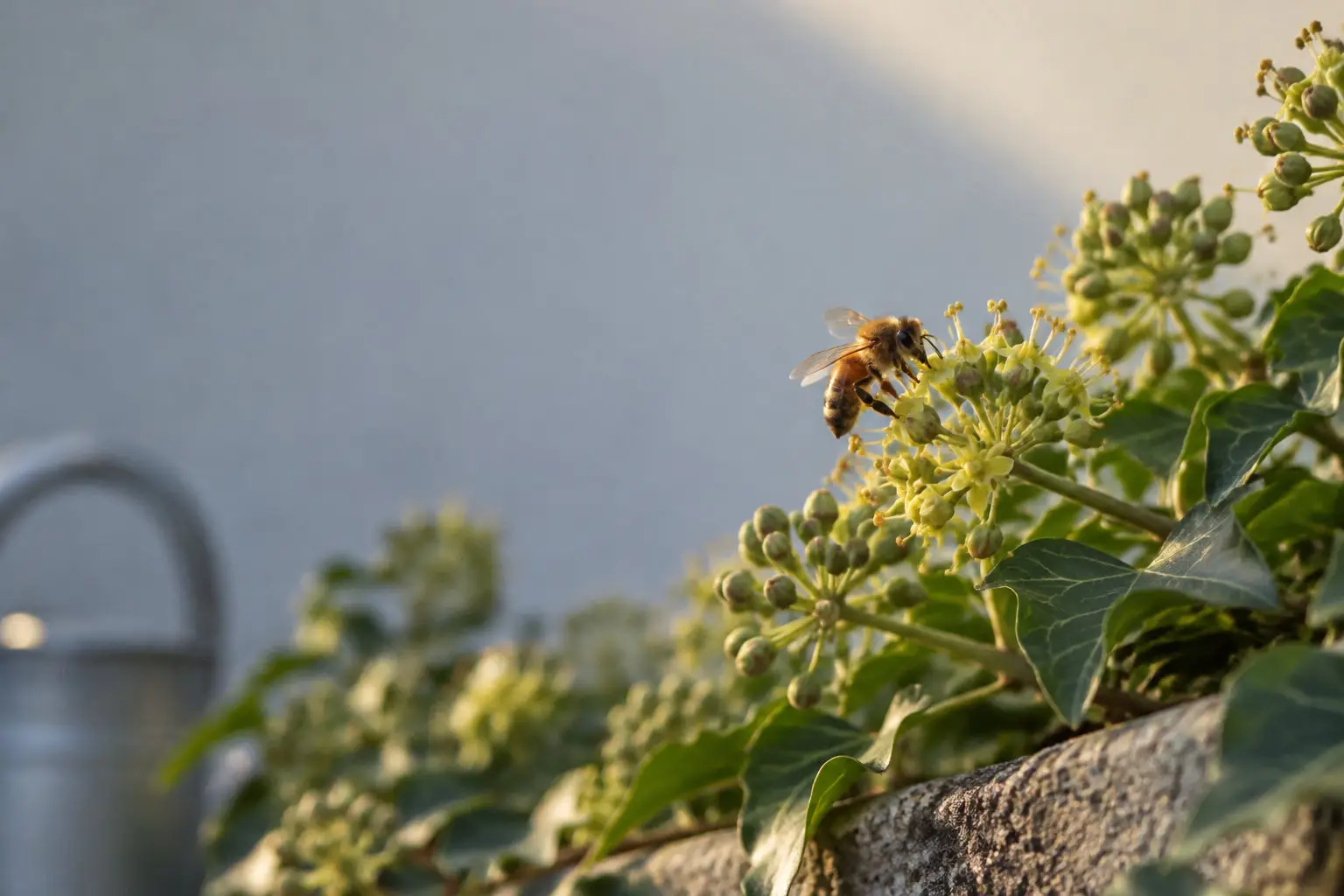
Lierre and pollinators: a late resource for bees
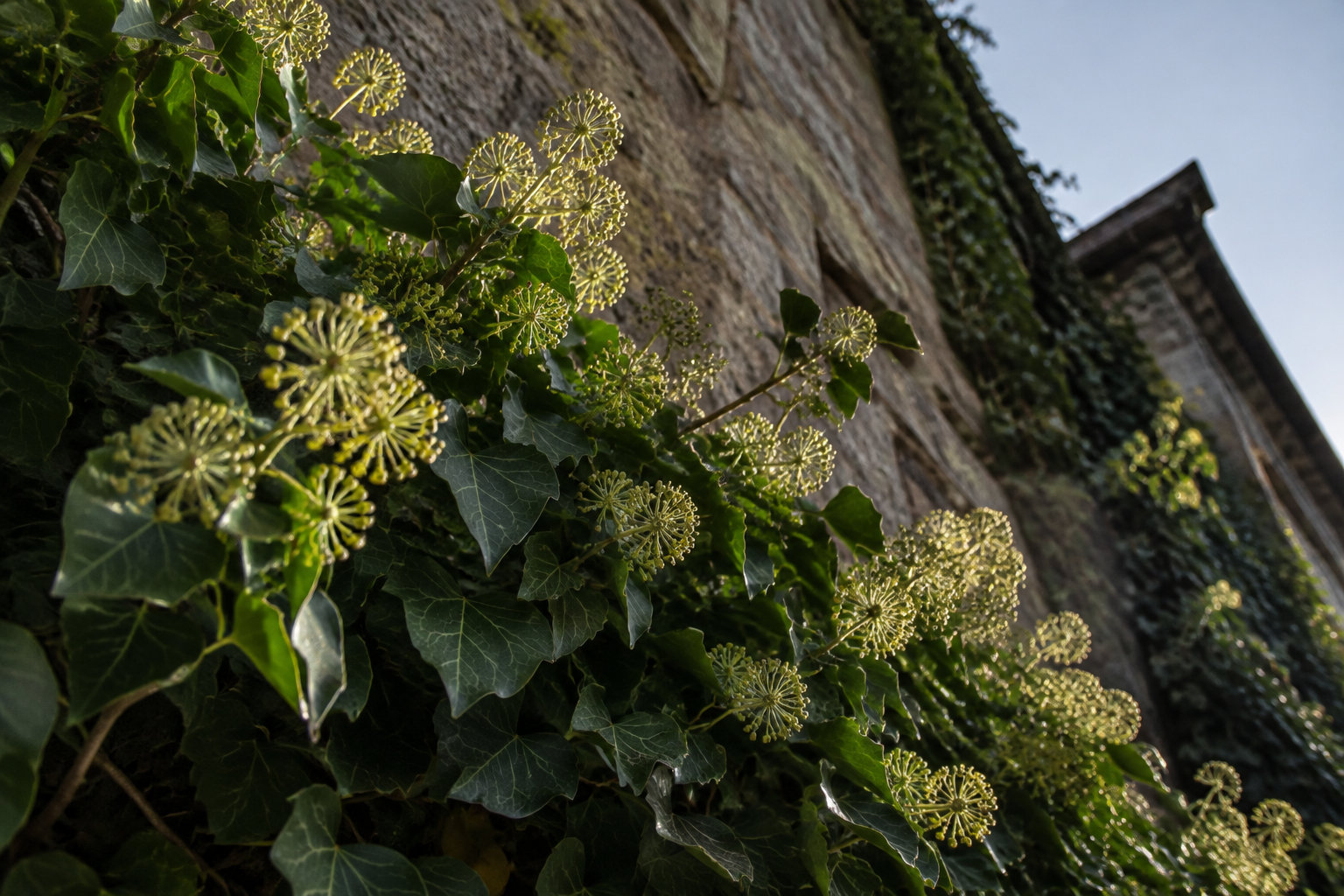
The heather flowers from September to December, on its only adult stems: which insects does it feed on, why does it flower or not, and how to prune it without depriving pollinators.
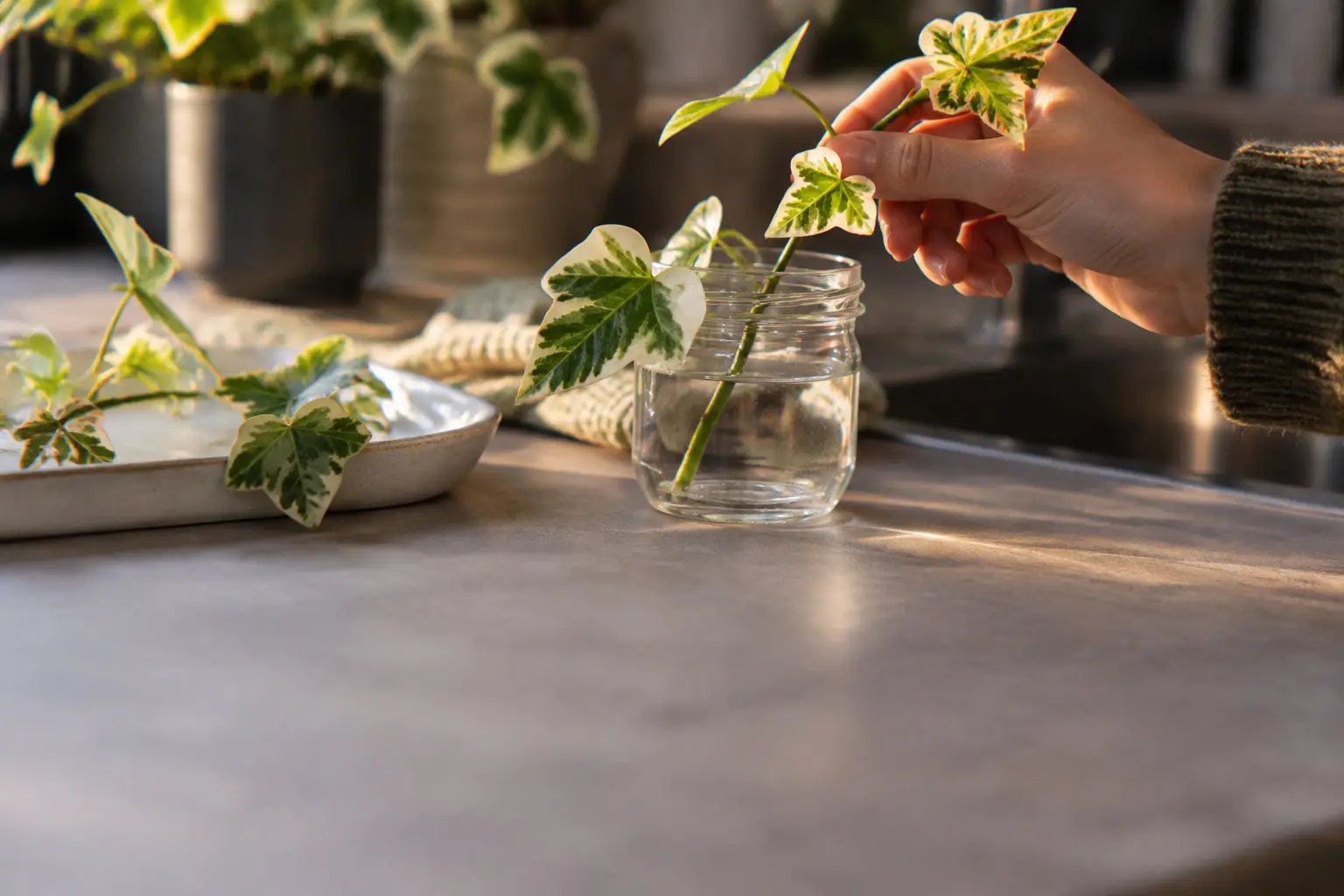
Maintaining a rare variety of ivy means repotting: choosing a typical cultivar stem, adapting the roots to the species, growing in pots indoors, and labeling and registering the plants.
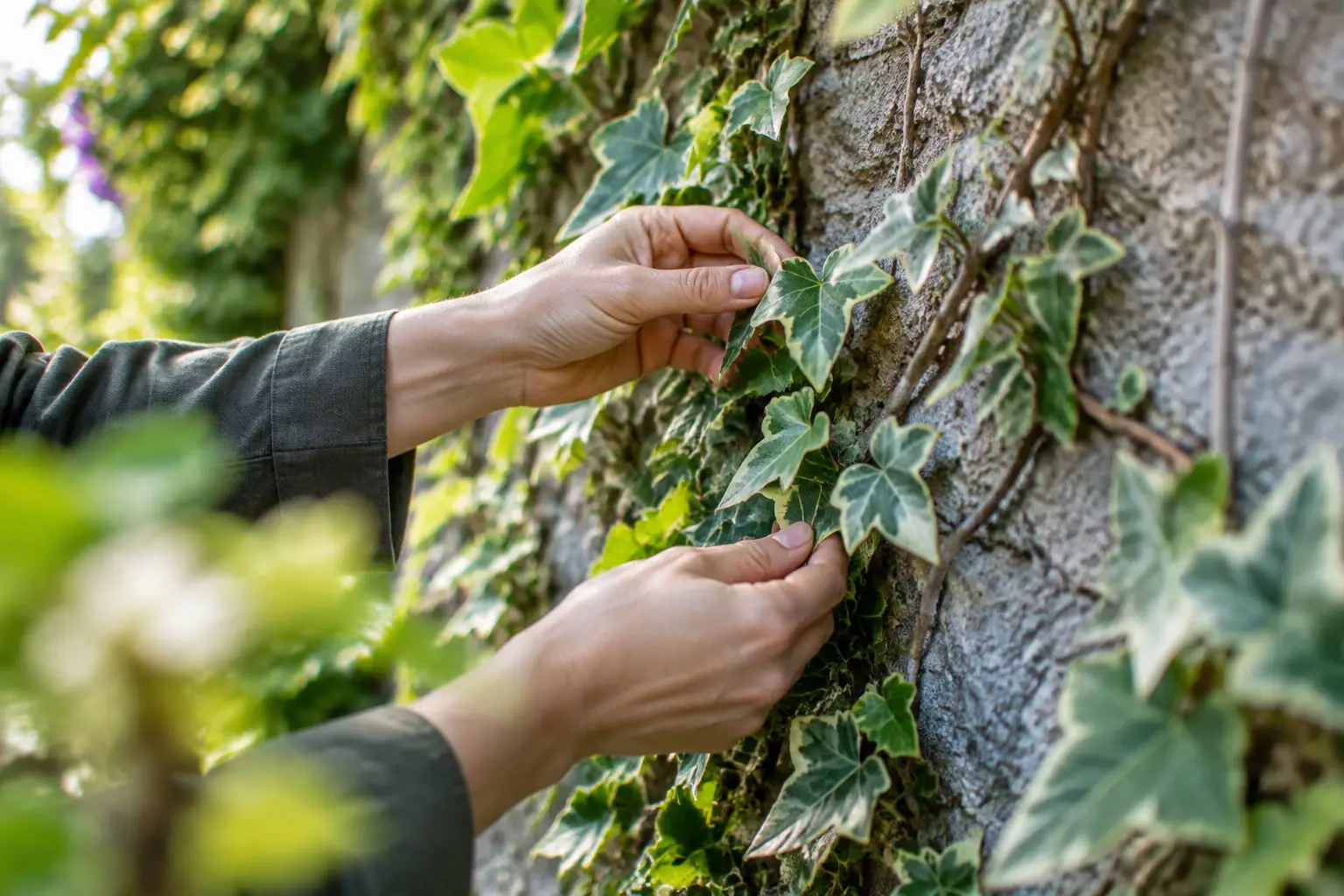
The variegated ferns adapted to mid-shade and shade, from ‘Dentata Variegata’ to ‘Marginata Elegantissima’: their appearance, vigor, uses and size.
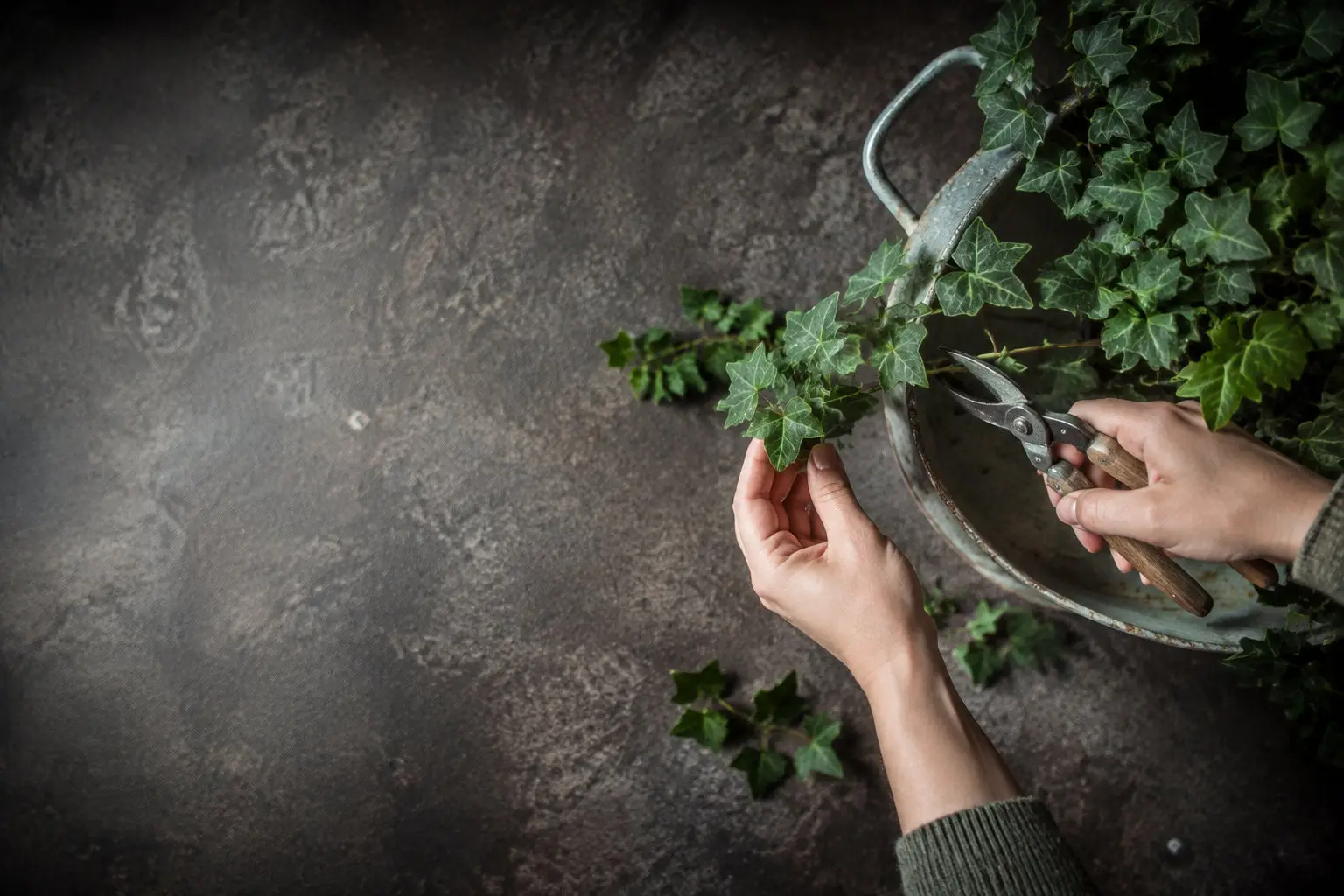
Cutting the ivy at the end of winter, removing an invasive plant, clearing walls and gutters, and maintaining the landscaping: these are the actions, tools, and precautions depending on the usage.
Rusticity depending on the species and cultivar, protection of the pots, watering, symptoms of frost and winter pruning: the steps to help the heather overwinter.
Autumn flowers with a discreet fragrance, leaves with a scent unique to each species: what heather really smells like when it blooms and which insects it attracts.
Border or clear center, repeated pattern, suspicious spots, hair under a magnifying glass: the criteria for recognizing a variegated iris and distinguishing it from a sick plant.
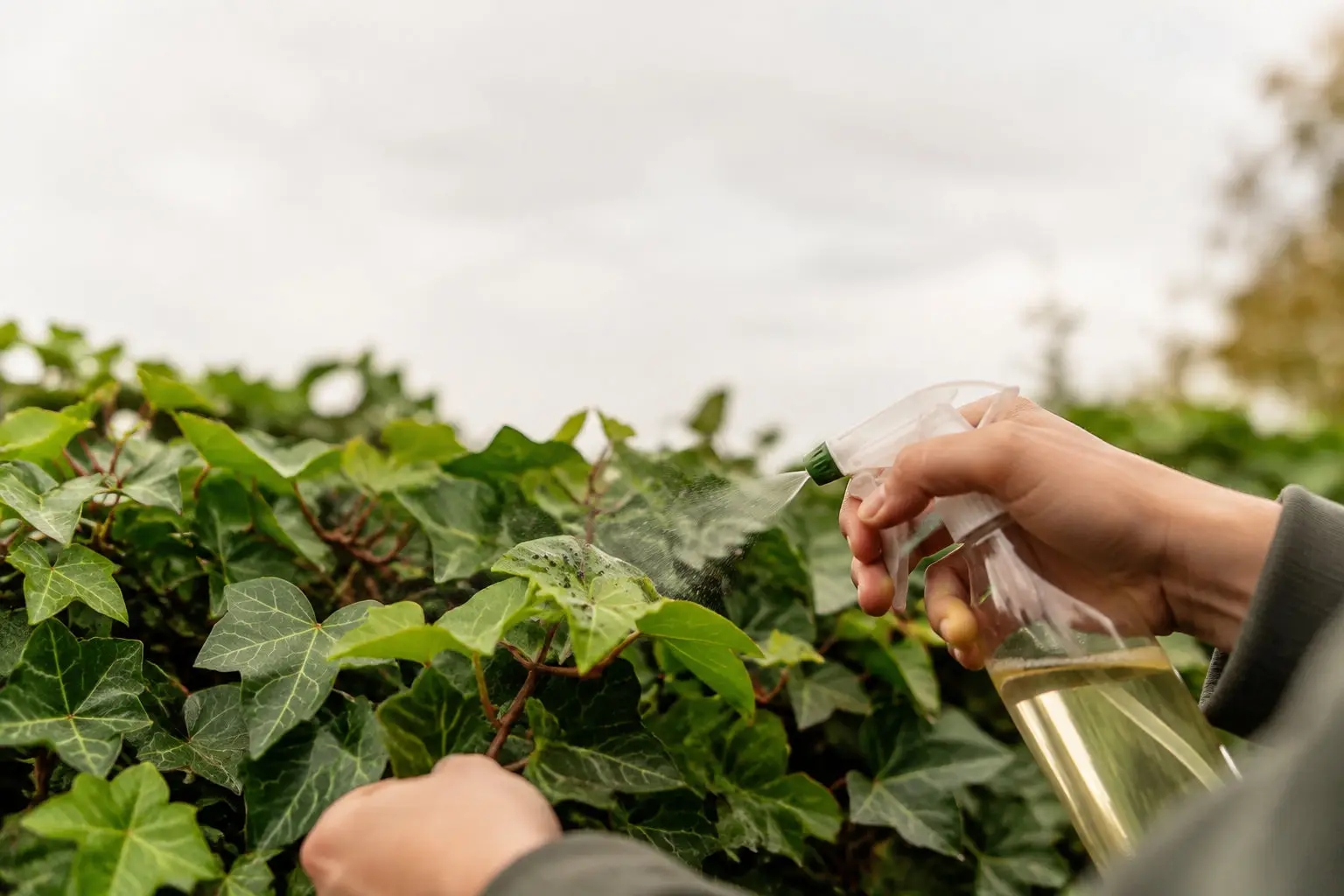
Recognize the ivy weevil, distinguish it from aphids and mites, decide when to intervene and control it without chemical products thanks to the auxiliary agents.
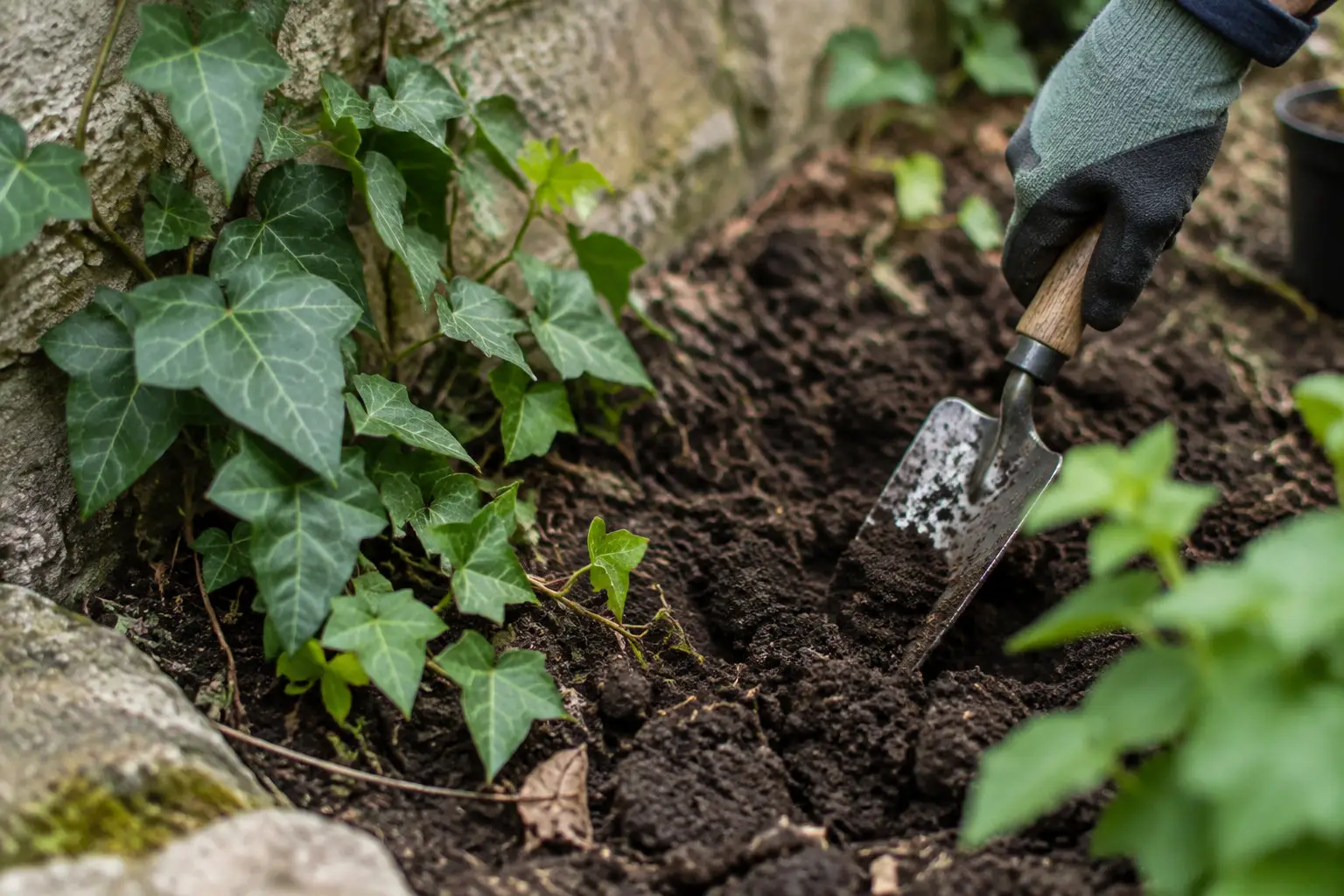
Test the drainage, choose the species according to the pH, prepare the hole and plant: the method for installing a creeper at the foot of a wall, in a cover-crop or in a pot.
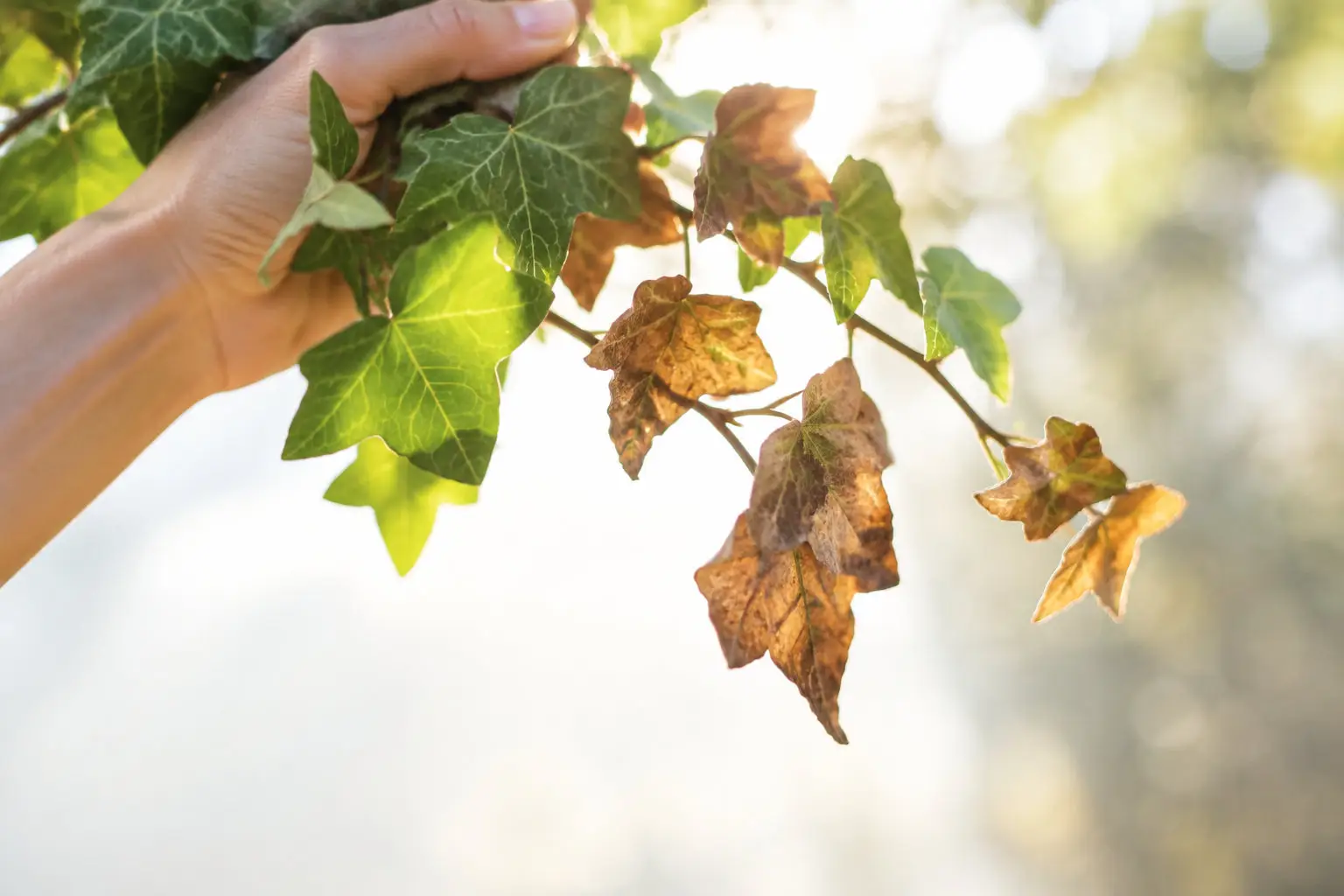
Watering, sun, frost, mites or bacterial and fungal spots: identifying the cause of the yellowing of the clover leaves and responding to it without blindly treating it.